Japanese Milk Cake
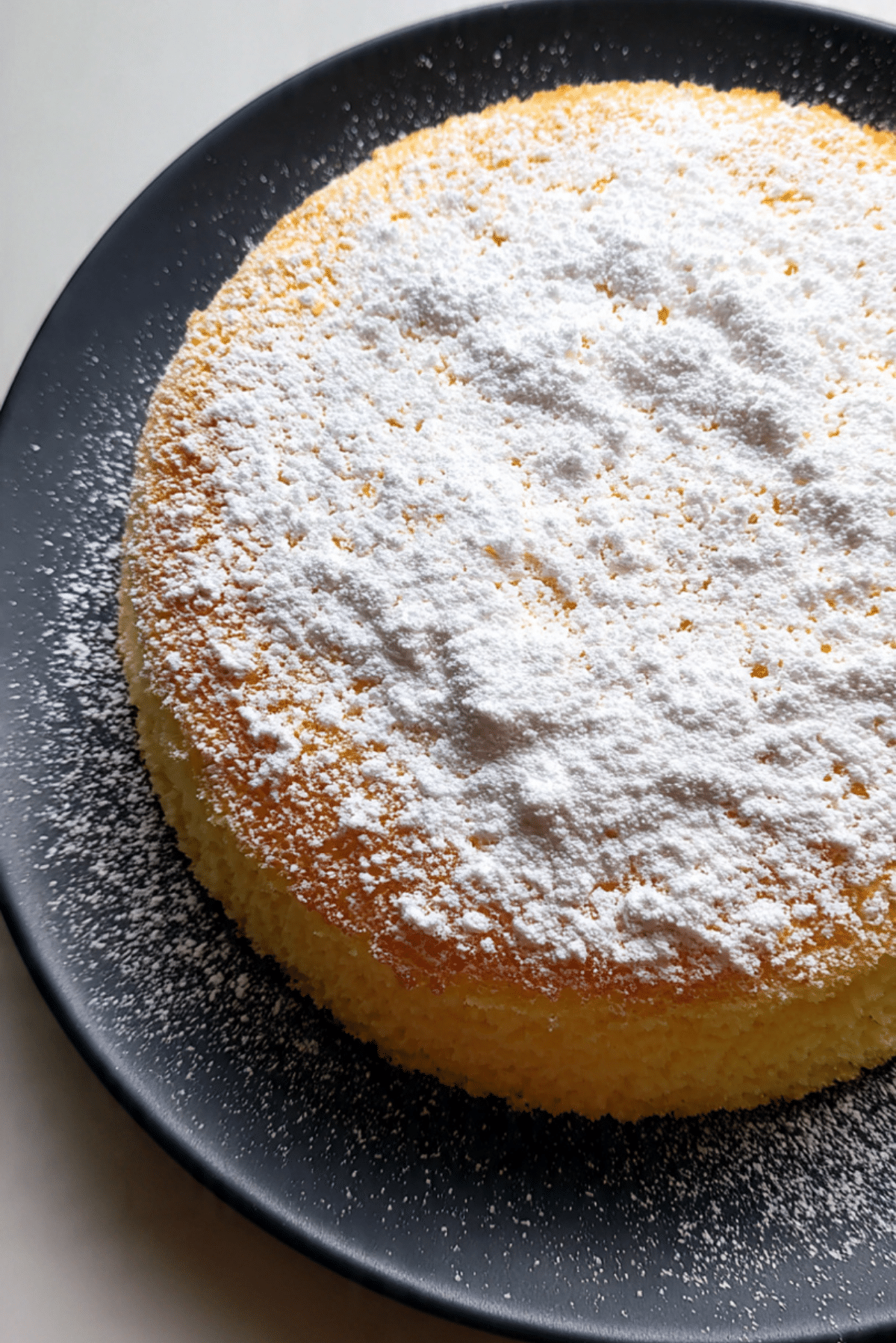
There’s something truly magical about biting into a slice of Japanese milk cake. The moment your fork glides through its pillowy sponge, you’re met with a cloud-like texture that practically melts on your tongue. Light, moist, and delicately sweet, this cake is a celebration of subtlety and simplicity that leaves you wanting just one more slice… every single time.
Behind the Recipe
I remember the first time I tasted this cake on a rainy afternoon in Kyoto. A tiny café tucked in a quiet alley served it warm, dusted with powdered sugar and paired with a pot of milky black tea. The texture was unlike anything I’d ever experienced—airy but rich, almost like biting into sweet milk foam. I knew I had to recreate that comforting moment in my own kitchen, and after a few trials, I found the perfect balance.
Recipe Origin or Trivia
Japanese milk cake, sometimes known as “Hokkaido milk cake,” finds its roots in the island of Hokkaido, famous for its premium dairy. Unlike Western sponge cakes that lean heavily on butter and sugar, this cake gets its flavor from rich whole milk, whipped egg whites, and a gentle baking process that gives it its signature softness. The emphasis here is on lightness and purity, a hallmark of Japanese desserts that celebrate minimalism.
Why You’ll Love Japanese Milk Cake
This cake isn’t just about taste—it’s about experience. Here’s why it deserves a spot in your baking rotation:
Versatile: Serve it warm or cold, with fruit or a drizzle of cream—it adapts beautifully.
Budget-Friendly: Made with basic pantry staples, it’s a treat without the splurge.
Quick and Easy: No complicated techniques, just gentle folding and simple baking.
Customizable: Add a touch of citrus zest or a dollop of jam for a personalized twist.
Crowd-Pleasing: Its light texture makes it a hit with all ages, from toddlers to grandparents.
Make-Ahead Friendly: Stores wonderfully, staying soft and moist even the next day.
Great for Leftovers: Toast it slightly and top with whipped cream for a second-day delight.
Chef’s Pro Tips for Perfect Results
Want your milk cake to reach peak fluffiness and flavor? Here are a few tried-and-true tips:
- Whip the Egg Whites Until Stiff Peaks Form: This is what gives the cake its lift and delicate structure.
- Fold Gently but Thoroughly: Incorporate the egg whites in batches using a spatula to avoid deflating them.
- Use Warm Milk: It blends better with the batter and adds a subtle richness.
- Bake in a Water Bath: This keeps the oven moist and helps the cake cook evenly without cracking.
- Don’t Rush the Cooling: Let the cake sit in the oven (off) with the door slightly open for 10 minutes to prevent collapse.
Kitchen Tools You’ll Need
You don’t need a professional kitchen to make this cake, just a few basics:
Mixing Bowls: For separating and whisking the yolks and whites.
Electric Mixer: Crucial for beating egg whites into stiff peaks.
Spatula: To gently fold your batter without deflating it.
Cake Pan (8-inch round): Ideal for creating that classic tall, fluffy shape.
Baking Tray with Hot Water: For the water bath that keeps it moist.
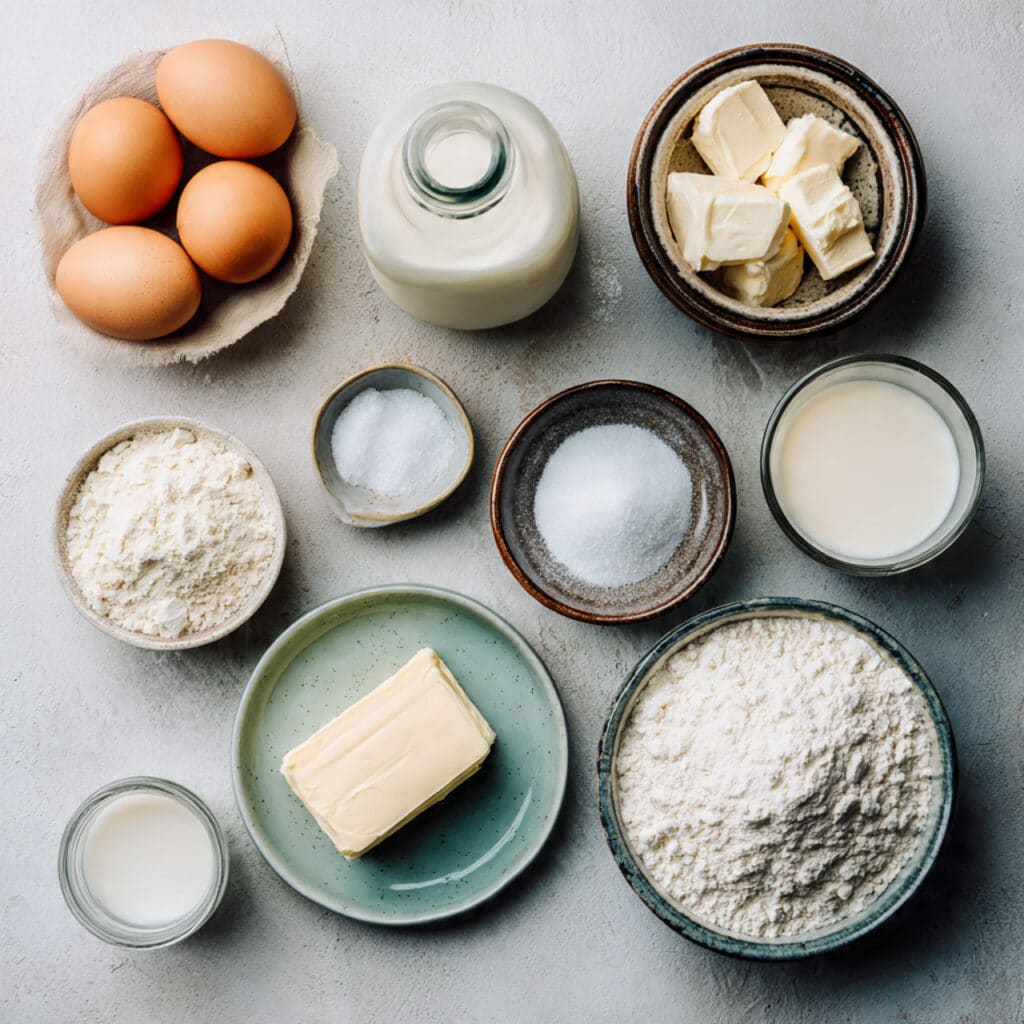
Ingredients in Japanese Milk Cake
The magic is in how these simple ingredients come together in harmony.
- Large Eggs: 4 eggs, separated. Egg whites provide structure while yolks give richness.
- Whole Milk: 100 ml. Adds a creamy base and a signature milky flavor.
- Cake Flour: 60 g. Gives the cake its light, tender crumb.
- Granulated Sugar: 70 g, divided. Sweetens and stabilizes the egg whites.
- Unsalted Butter: 40 g. Melts into the batter, adding richness without heaviness.
- Cornstarch: 20 g. Lightens the texture even more, creating that soft bite.
- Vanilla Extract: 1 tsp. Enhances the sweet milk aroma.
- Salt: A pinch. Balances sweetness and rounds out the flavor.
Ingredient Substitutions
Want to adapt the recipe based on what’s in your pantry? Here are a few easy swaps:
Cake Flour: All-purpose flour sifted with a bit of cornstarch.
Whole Milk: Plant-based milks like oat or almond milk for a dairy-free version.
Butter: Neutral oil such as canola if you prefer an oil-based sponge.
Vanilla Extract: Almond or coconut extract for a different flavor note.
Ingredient Spotlight
Cake Flour: Its lower protein content creates a finer, more delicate crumb, perfect for fluffy sponge cakes.
Egg Whites: When whipped into stiff peaks, they act as a natural leavening agent, giving this cake its airy rise without baking powder.
Instructions for Making Japanese Milk Cake
Let’s dive into the step-by-step process. You’ll be surprised how easy it is to bring this dreamy dessert to life.
-
Preheat Your Equipment:
Set your oven to 320°F (160°C). Prepare an 8-inch round cake pan by lining it with parchment paper. Also, boil water for your water bath. -
Combine Ingredients:
In a small saucepan, warm the milk and butter until melted. In a separate bowl, whisk the egg yolks with half the sugar, then slowly add the warm milk mixture while whisking. Sift in the cake flour, cornstarch, and salt. Add vanilla extract and mix until smooth. -
Prepare Your Cooking Vessel:
In another clean bowl, beat the egg whites until frothy. Gradually add the remaining sugar and beat until stiff peaks form. -
Assemble the Dish:
Gently fold one-third of the egg whites into the yolk batter to lighten it. Then fold in the rest carefully to maintain volume. -
Cook to Perfection:
Pour the batter into the prepared pan. Place the pan into a larger tray and add hot water halfway up the sides. Bake for 50–60 minutes until the top is golden and a skewer comes out clean. -
Finishing Touches:
Turn off the oven and leave the cake inside with the door slightly open for 10 minutes. Then remove and let cool completely before dusting with powdered sugar. -
Serve and Enjoy:
Slice and enjoy as is, or serve with a dollop of whipped cream or fresh berries for an extra touch.
Texture & Flavor Secrets
The charm of Japanese milk cake lies in its contrasts. The top forms a thin, golden crust that gives way to a feather-light interior. Its flavor is subtly sweet and creamy, almost like a milky cloud. The longer it rests, the more the flavors mellow into each other for a comforting bite.
Cooking Tips & Tricks
Make every slice perfect with these simple tips:
- Let ingredients come to room temperature before mixing.
- Use a serrated knife to cut the cake cleanly.
- Store leftovers in an airtight container to maintain moisture.
What to Avoid
Keep these in mind to prevent common baking mishaps:
- Overmixing the batter, which can deflate the egg whites.
- Using cold milk or butter, which can cause clumps.
- Skipping the water bath, leading to an uneven or cracked cake.
Nutrition Facts
Servings: 8
Calories per serving: 185
Note: These are approximate values.
Preparation Time
Prep Time: 20 minutes
Cook Time: 55 minutes
Total Time: 1 hour 15 minutes
Make-Ahead and Storage Tips
You can absolutely make this cake ahead of time. In fact, it tastes even better after resting a few hours. Store it at room temperature for up to 2 days, or refrigerate for up to 5 days. To reheat, gently steam or microwave for a few seconds to revive its softness.
How to Serve Japanese Milk Cake
This cake shines on its own but can easily be dressed up. Pair it with fresh berries, a drizzle of condensed milk, or a scoop of vanilla ice cream. A cup of green tea or lightly sweetened coffee balances the flavors beautifully.
Creative Leftover Transformations
Turn leftover slices into delicious new treats:
- Toast and top with whipped cream and strawberries.
- Crumble into a parfait with yogurt and honey.
- Pan-fry slices in butter for a golden crust and extra warmth.
Additional Tips
- Use parchment paper to ensure a smooth release from the pan.
- If using a glass pan, extend bake time slightly.
- Sprinkle powdered sugar just before serving to avoid absorption.
Make It a Showstopper
Want to impress your guests? Serve the cake on a sleek black or marble plate and top with edible flowers or a dusting of matcha powder for a stunning contrast. A simple cake stand with a dome adds elegance without overshadowing its simplicity.
Variations to Try
- Matcha Milk Cake: Add 1 tablespoon of matcha powder for earthy green tea notes.
- Chocolate Swirl: Mix in a few spoonfuls of melted chocolate for a marbled effect.
- Citrus Zest: Stir in orange or lemon zest for a fresh, fragrant twist.
- Cream-Filled: Slice horizontally and fill with whipped cream or custard.
- Berry Layer: Top with a thin layer of strawberry or blueberry jam before serving.
FAQ’s
1. Can I make this cake without a water bath?
Yes, but it may crack or cook unevenly. The water bath ensures a smooth, moist texture.
2. Can I freeze Japanese milk cake?
Absolutely. Wrap slices tightly and freeze for up to 2 months. Thaw at room temperature before serving.
3. What if I don’t have cake flour?
Use all-purpose flour mixed with a bit of cornstarch (for every cup of flour, remove 2 tablespoons and replace with cornstarch).
4. Why did my cake collapse after baking?
It’s likely due to underbaking or sudden temperature changes. Let it cool gradually in the oven.
5. Can I reduce the sugar?
Yes, but don’t reduce it too much or the structure may suffer.
6. How do I know when the cake is done?
A toothpick inserted should come out mostly clean, and the top should be golden and springy.
7. Is this the same as castella cake?
No. Castella uses bread flour and has a denser, more elastic texture.
8. Can I use skim milk?
You can, but whole milk gives better flavor and moisture.
9. Should I refrigerate the cake?
Only if you’re storing it more than 2 days. Bring to room temperature before serving.
10. Can I add fruit inside the batter?
Yes, but use small chopped fruit and coat them lightly with flour to prevent sinking.
Conclusion
There’s something special about the simplicity of Japanese milk cake. It’s soft, subtle, and soothing—perfect for quiet mornings, thoughtful gifts, or those moments when you need a little sweetness without the fuss. Trust me, it’s worth every bite.
Print
Japanese Milk Cake
Description
A soft, fluffy Japanese milk cake with a delicate, creamy sweetness. Light as air and perfect for tea time or dessert.
Ingredients
- 4 large eggs, separated
- 100 ml whole milk
- 60 g cake flour
- 70 g granulated sugar, divided
- 40 g unsalted butter
- 20 g cornstarch
- 1 tsp vanilla extract
- Pinch of salt
Instructions
- Preheat oven to 320°F (160°C) and line an 8-inch round cake pan with parchment paper. Prepare a water bath by boiling water.
- Warm milk and butter in a small saucepan until melted. In a bowl, whisk egg yolks with half the sugar, then slowly add the warm milk mixture. Sift in flour, cornstarch, and salt. Stir in vanilla extract.
- In another bowl, beat egg whites until frothy. Gradually add remaining sugar and beat until stiff peaks form.
- Fold one-third of egg whites into the yolk mixture to lighten it, then gently fold in the rest.
- Pour the batter into the prepared pan. Place the pan in a larger tray and fill it halfway with hot water.
- Bake for 50–60 minutes until golden and a skewer comes out clean. Turn off the oven, leave the cake inside with the door slightly open for 10 minutes.
- Remove and let cool completely. Dust with powdered sugar before serving.
Notes
- Use room temperature ingredients for best results.
- Don’t skip the water bath—it helps the cake bake evenly and stay moist.
- Slice with a serrated knife for clean cuts.