Pad Thai
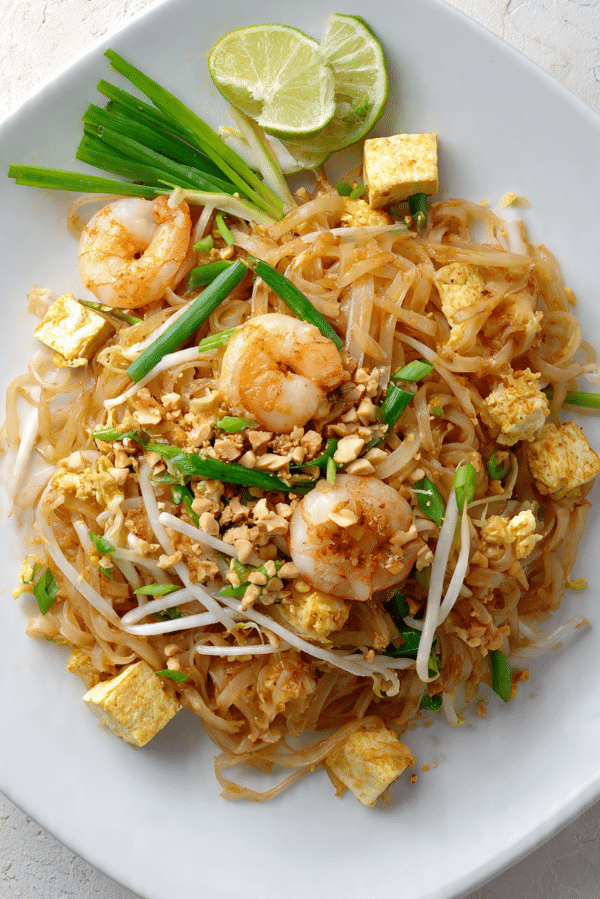
There is something magical about a plate of Pad Thai sitting right in front of you, steaming gently, with that irresistible mix of sweet, tangy, and savory aromas drifting up. The glossy noodles, the crunch of peanuts, the brightness of lime, it all comes together in a way that feels both comforting and exciting. Trust me, you’re going to love this, because once you taste it fresh and homemade, it becomes a total game-changer in your kitchen.
A Street Food Classic You Can Recreate at Home
Pad Thai has that rare ability to feel like both a quick street snack and a satisfying full meal. It is vibrant, colorful, and layered with textures that keep every bite interesting. From the tender noodles to the crisp sprouts, each element plays its part beautifully, and now let’s dive a little deeper into where this beloved dish comes from.
A Taste of Thailand’s Culinary Story
Pad Thai is one of Thailand’s most iconic dishes, often found sizzling in street-side woks. It became popular in the mid 20th century as part of a national effort to promote Thai identity through food. Traditionally, it balances sweet, sour, salty, and umami flavors using ingredients like tamarind, fish sauce, and palm sugar. Over time, it has traveled across the world, adapting slightly but always keeping its signature charm.
Why This Dish Always Delivers
Before we jump into cooking, let me tell you why this one deserves a spot in your weekly rotation.
Versatile: You can swap proteins or keep it vegetarian, and it still tastes incredible every time.
Budget-Friendly: Most ingredients are simple pantry staples, making it easy on your wallet.
Quick and Easy: Once everything is prepped, it comes together in under 30 minutes.
Customizable: Adjust sweetness, spice, or tang to match your taste perfectly.
Crowd-Pleasing: Everyone loves those bold flavors and satisfying textures.
Make-Ahead Friendly: You can prep ingredients in advance for faster cooking later.
Great for Leftovers: It reheats surprisingly well and keeps its flavor intact.
Chef Secrets That Make All the Difference
Now that you’re excited, let’s talk like real cooks for a second.
- Use high heat so the noodles get that slightly smoky flavor
- Soak noodles instead of boiling them to avoid mushiness
- Add sauce gradually so you control the balance
- Toss quickly and continuously to keep everything evenly coated
Tools That Make Cooking Smooth and Easy
Having the right tools makes the whole process feel effortless.
Wok or Large Pan: Ensures even cooking and enough space for tossing
Wooden Spoon or Spatula: Helps mix without breaking the noodles
Mixing Bowls: For prepping ingredients ahead of time
Knife and Cutting Board: Essential for clean and quick prep
Ingredients That Build the Flavor
Now comes the heart of the dish, where every ingredient plays its role in harmony.
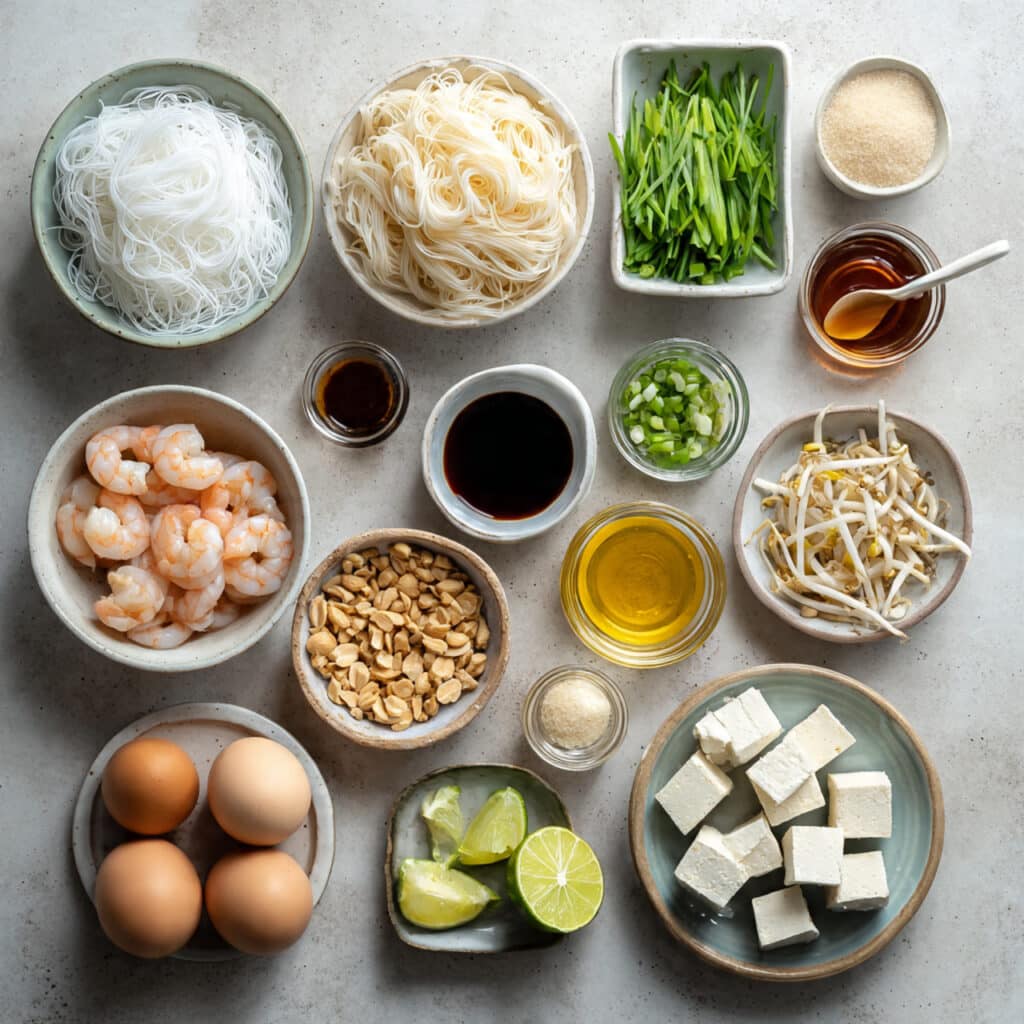
- Rice Noodles: 200 grams, these soak up all the sauce beautifully
- Shrimp: 200 grams, peeled and deveined, adds a sweet seafood touch
- Firm Tofu: 150 grams, cubed, gives a soft yet satisfying bite
- Eggs: 2 large, lightly beaten for richness
- Bean Sprouts: 1 cup, for that fresh crunch
- Green Onions: 3 stalks, chopped for a mild sharpness
- Crushed Peanuts: 1/4 cup, adds texture and nuttiness
- Tamarind Paste: 2 tablespoons, brings that signature tang
- Fish Sauce: 2 tablespoons, for deep umami flavor
- Brown Sugar: 1 tablespoon, balances the acidity
- Vegetable Oil: 2 tablespoons, for stir-frying
- Garlic: 3 cloves, minced, adds aroma
- Lime Wedges: for serving, adds brightness at the end
Easy Ingredient Swaps You Can Try
Sometimes you need flexibility, and this dish allows it easily.
Shrimp: Chicken or extra tofu
Fish Sauce: Soy sauce for a vegetarian option
Brown Sugar: Honey or palm sugar
Peanuts: Cashews or skip if needed
Spotlight on Key Ingredients
A couple of ingredients truly define the dish.
Tamarind Paste: This gives that tangy backbone that makes the flavors pop.
Fish Sauce: It might smell strong, but it transforms into pure umami magic when cooked.
Let’s Cook This Together Step by Step
Now comes the fun part, where everything starts coming together in your kitchen.
- Preheat Your Equipment: Heat a wok or large pan over medium-high heat until hot.
- Combine Ingredients: Mix tamarind paste, fish sauce, and sugar in a bowl until smooth.
- Prepare Your Cooking Vessel: Add oil to the pan, then sauté garlic until fragrant.
- Assemble the Dish: Add shrimp and tofu, cook until shrimp turns pink, then push to the side and scramble eggs.
- Cook to Perfection: Add soaked noodles and sauce, toss quickly until everything is coated and heated through.
- Finishing Touches: Stir in bean sprouts and green onions, cook briefly to keep them crisp.
- Serve and Enjoy: Plate and top with crushed peanuts and fresh lime wedges.
Where Texture Meets Flavor in Every Bite
The beauty of this dish lies in its contrast. You get soft, chewy noodles paired with crunchy peanuts and fresh sprouts. The sauce clings to every strand, delivering sweet, tangy, and savory notes all at once. Let me tell you, it’s worth every bite.
Helpful Tips for the Best Results
- Use freshly squeezed lime for a brighter finish
- Do not overcook the sprouts, keep them crisp
- Taste and adjust sauce before adding it to the pan
Mistakes to Avoid for Perfect Results
- Overcooking noodles which makes them mushy
- Adding too much sauce at once
- Cooking on low heat which prevents proper flavor development
Nutrition Snapshot
Servings: 4
Calories per serving: 450
Note: These are approximate values.
Time Breakdown
Prep Time: 15 minutes
Cook Time: 15 minutes
Total Time: 30 minutes
Make It Ahead and Store It Right
You can prep all ingredients ahead and store them separately in the fridge. Once cooked, store leftovers in an airtight container for up to 3 days. Reheat gently in a pan with a splash of water to bring back moisture.
Serving Ideas That Elevate the Experience
Serve it hot with extra lime on the side, maybe a sprinkle of chili flakes if you like heat. It pairs nicely with a light salad or even a simple soup.
Turn Leftovers Into Something New
Use leftovers as a filling for wraps or toss them into a quick stir-fry with extra veggies. It transforms beautifully into a new meal.
Extra Tips for Flavor and Ease
Keep all ingredients ready before you start cooking because things move fast. Trust the process and keep tossing.
Make It Look as Good as It Tastes
Serve in a wide bowl, garnish with peanuts, lime, and a few fresh green onions. A simple presentation makes it feel restaurant-worthy.
Fun Variations to Explore
Try adding chicken instead of shrimp for a different protein.
Make it vegetarian by skipping fish sauce and shrimp.
Add chili paste for a spicy twist.
Use extra vegetables for more texture and color.
FAQ’s
1. Can I make this vegetarian?
Yes, just swap fish sauce for soy sauce and use tofu as the main protein.
2. What noodles work best?
Flat rice noodles are ideal for the right texture.
3. Can I prepare the sauce ahead?
Absolutely, it keeps well in the fridge for a few days.
4. Why are my noodles sticky?
They may be overcooked or not tossed quickly enough.
5. Can I freeze it?
It is best fresh, but you can freeze it if needed.
6. How do I reheat it?
Use a pan with a splash of water to loosen the noodles.
7. Can I use chicken instead of shrimp?
Yes, it works perfectly with sliced chicken.
8. Is it spicy?
Not by default, but you can add spice easily.
9. What can I use instead of tamarind?
A mix of lime juice and a bit of vinegar can work.
10. How do I keep it authentic?
Stick to the balance of sweet, sour, and salty flavors.
Conclusion
This Pad Thai brings together bold flavors, comforting textures, and a bit of culinary adventure right into your kitchen. Once you make it yourself, you will see how satisfying it is to recreate something so iconic. Trust me, this one will quickly become a favorite you come back to again and again.
Print
Pad Thai
Description
A flavorful and vibrant Pad Thai with tender noodles, shrimp, tofu, and a perfectly balanced sweet and tangy sauce.
Ingredients
- 200 grams rice noodles
- 200 grams shrimp, peeled and deveined
- 150 grams firm tofu, cubed
- 2 large eggs
- 1 cup bean sprouts
- 3 green onions, chopped
- 1/4 cup crushed peanuts
- 2 tablespoons tamarind paste
- 2 tablespoons fish sauce
- 1 tablespoon brown sugar
- 2 tablespoons vegetable oil
- 3 cloves garlic, minced
- Lime wedges for serving
Instructions
- Heat a wok or large pan over medium-high heat.
- Mix tamarind paste, fish sauce, and sugar in a bowl.
- Add oil to the pan and sauté garlic until fragrant.
- Add shrimp and tofu, cook until shrimp turns pink.
- Push ingredients aside and scramble the eggs.
- Add soaked noodles and sauce, toss until coated.
- Stir in bean sprouts and green onions.
- Serve with crushed peanuts and lime wedges.
Notes
- Use high heat for best flavor.
- Do not overcook noodles.
- Add lime just before serving for freshness.